does weight loss help congestive heart failure Heart failure congestive disease chf reasons common types nursing intervention causes insufficiency ausmed
Do you know what the leading cause of death in America is? Surprisingly, it’s not cancer, but heart disease. And within heart disease, one particular condition that many people have heard of but might not fully understand is congestive heart failure. In this post, we’ll break down what exactly congestive heart failure is, its stages, causes, signs, and symptoms. Starting with the basics, congestive heart failure (CHF) is a chronic condition where the heart is unable to pump enough blood to meet the body’s needs. This can happen for a variety of reasons, including damage from a heart attack, high blood pressure, coronary artery disease, valve problems, or abnormal heart rhythms. The heart works hard to compensate for these problems, but over time, it becomes weaker and less effective. CHF is typically classified into four stages, ranging from stage A, which is at high risk for developing CHF but does not have any heart damage, to stage D, which is end-stage heart failure requiring specialized care. The severity of the symptoms and treatment options vary based on the stage, so it’s important to catch CHF early and manage it well. Some early signs of CHF include fatigue, shortness of breath, swelling in the legs or feet, inability to exercise as usual, and increased heart rate. As the condition progresses, symptoms become more severe and can include persistent coughing, difficulty breathing while lying down, sudden weight gain, and confusion or impaired thinking. Seeking medical attention as soon as any of these symptoms appear is crucial for managing CHF. Treatment for CHF typically involves a combination of medications to decrease the workload on the heart, lifestyle changes to improve heart health, and, in some cases, procedures or surgery to repair damage. These might include beta blockers, ACE inhibitors, diuretics, or anticoagulants, as well as recommendations for a healthy diet, regular exercise, and smoking cessation. In advanced cases, a heart transplant or device insertion may be necessary. At the end of the day, understanding what CHF is and how to manage it can be key to preventing serious complications and even death. If you suspect you or a loved one might have CHF, don’t wait to seek medical attention. Together with your healthcare team, you can work to improve heart health and overall quality of life.
If you are looking for Pin on Emergency/Trauma Nursing! you’ve visit to the right web. We have 5 Pictures about Pin on Emergency/Trauma Nursing! like Congestive Heart Failure Vector Illustration. Labeled Medical Compare, Congestive Heart Failure and also What is Congestive Heart Failure - Stages, Causes, Signs, Symptoms. Here it is:
Pin On Emergency/Trauma Nursing!
 www.pinterest.comcongestive disease cardiac
Congestive Heart Failure Vector Illustration. Labeled Medical Compare
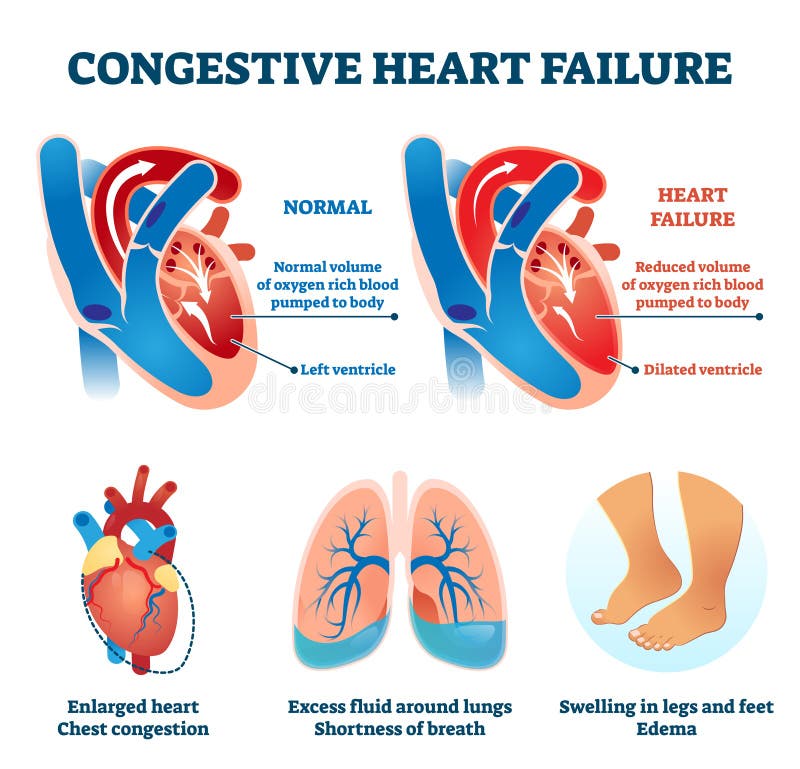 pt.dreamstime.comHeart Failure Disease With Causes, Test And Nursing Intervention
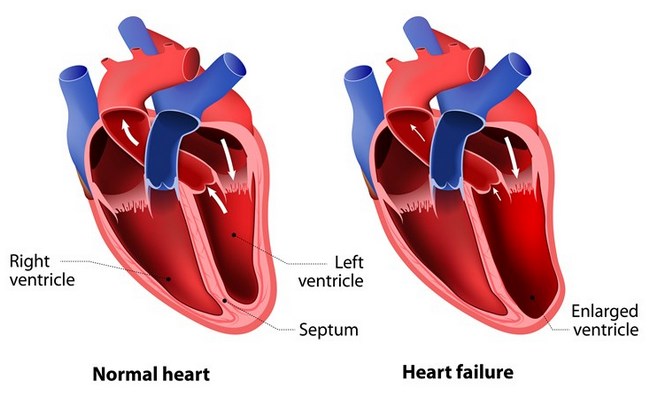 nursingexercise.comheart failure congestive disease chf reasons common types nursing intervention causes insufficiency ausmed
What Is Congestive Heart Failure - Stages, Causes, Signs, Symptoms
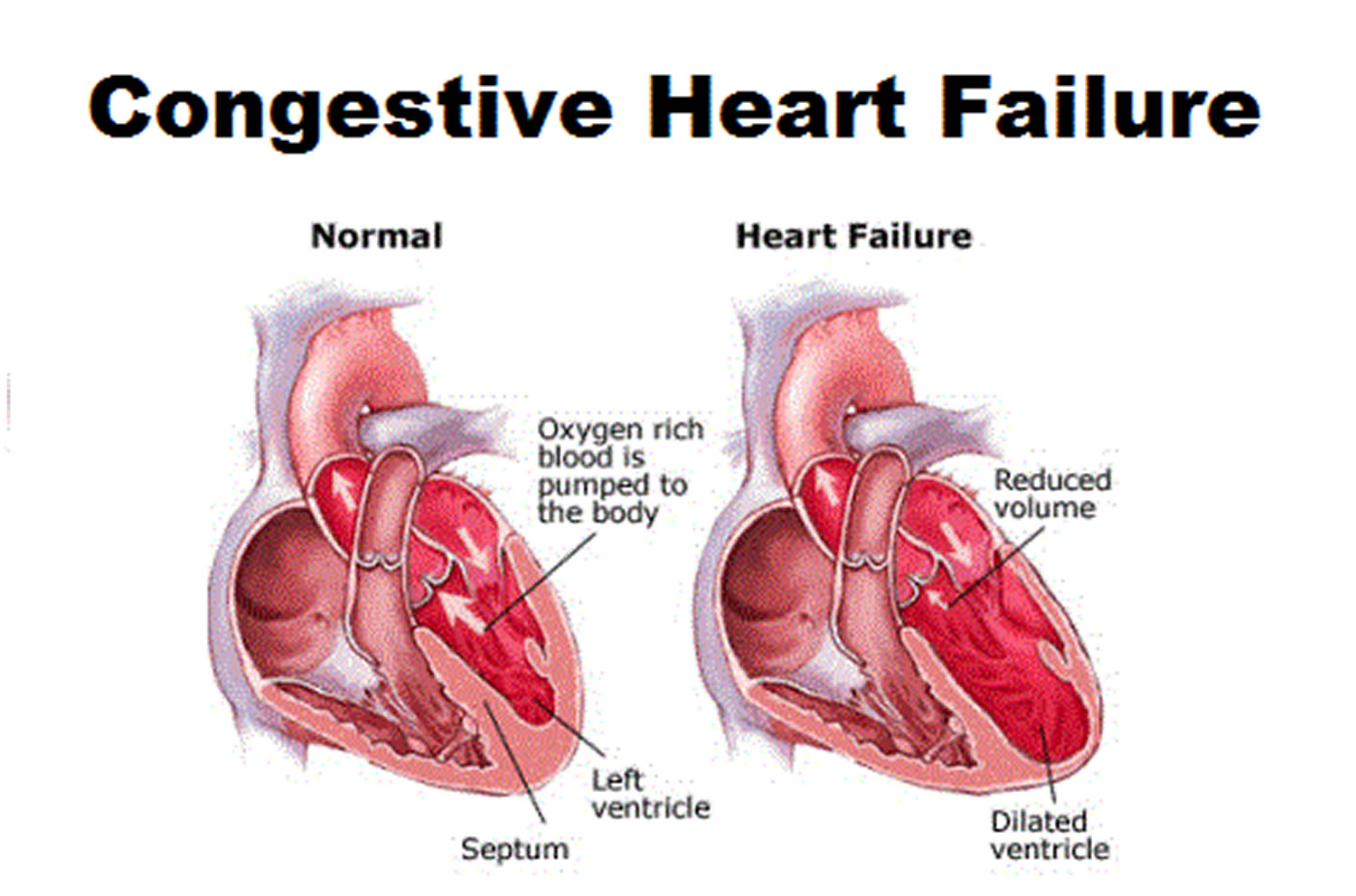 healthjade.netcongestive causes onlinefigure healthjade
Congestive Heart Failure
 www.advancedcardioservices.comcongestive cardiac chf cardiaca insufficienza askep sintomi inverte ormone jantung difficulty weakening pumping asuhan keperawatan medimagazine klasifikasi
What is congestive heart failure. Congestive heart failure vector illustration. labeled medical compare. Pin on emergency/trauma nursing!