does smoking cause fatty liver Fatty liver disease: symptoms, causes, risks, and treatment
Your liver is a vital organ that plays a crucial role in your body’s ability to detoxify and function properly. As a result, any damage to the liver can lead to serious health problems. This is why it is important to understand the relationship between marijuana and your liver. 1. Marijuana may have a protective effect on the liver. Studies have shown that marijuana may have a protective effect on the liver. In one particular study, researchers found that marijuana users had a lower risk of developing liver disease compared to non-users. This is because marijuana contains compounds that have anti-inflammatory and antioxidant properties that may help protect the liver from damage. 2. Marijuana use may lead to liver damage. While marijuana may have a protective effect on the liver, it is important to note that heavy marijuana use may also lead to liver damage. This is because the liver is responsible for metabolizing marijuana, which means that it can be exposed to harmful substances as a result. Over time, this exposure can lead to liver damage. 3. Marijuana use may exacerbate existing liver conditions. If you already have an existing liver condition, marijuana use may exacerbate your symptoms. For example, if you have hepatitis C, marijuana use may increase your risk of liver fibrosis. This is because the liver has to work harder to process the marijuana, which can lead to further damage. 4. Smoking marijuana may increase your risk of liver cancer. Smoking marijuana may increase your risk of developing liver cancer. This is because marijuana contains carcinogenic compounds that can damage the liver over time. If you are a heavy smoker or have a family history of liver cancer, it is important to speak with your doctor about your risk factors. 5. Using marijuana for medical purposes may be beneficial for liver disease. While heavy marijuana use may lead to liver damage, using marijuana for medical purposes may actually be beneficial for individuals with liver disease. Marijuana has been shown to have anti-inflammatory and analgesic properties, which can help relieve symptoms related to liver disease. In conclusion, while there is still much to be learned about the relationship between marijuana and the liver, it is clear that heavy marijuana use may lead to liver damage. However, using marijuana for medical purposes may be beneficial for individuals with liver disease. As always, it is important to speak with your doctor about any concerns you may have regarding your liver health.
If you are searching about NAFLD HGA you’ve came to the right web. We have 5 Pictures about NAFLD HGA like NASH and Nonalcoholic Fatty Liver Disease (NAFLD) | Medika Life, Pale stools and other warning signs of late-stage fatty liver disease and also NAFLD HGA. Here you go:
NAFLD HGA
 hunterdongastro.comfatty disease nafld alcoholic kwenye avoid diagnosis nonalcoholic mafuta tatizo gastroenterology hepatic rxharun
Pale Stools And Other Warning Signs Of Late-stage Fatty Liver Disease
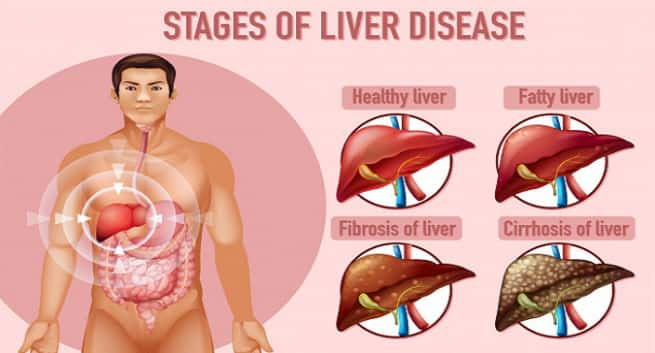 www.thehealthsite.comliver fatty urine symptoms poo urgent notice thehealthsite indicate diseases
Fatty Liver Disease: Symptoms, Causes, Risks, And Treatment
 www.medicalnewstoday.comliver fatty diketahui berlemak penyakit yang reversal
Your Liver And Marijuana: 11 Things Everyone Needs To Know - Marijuana
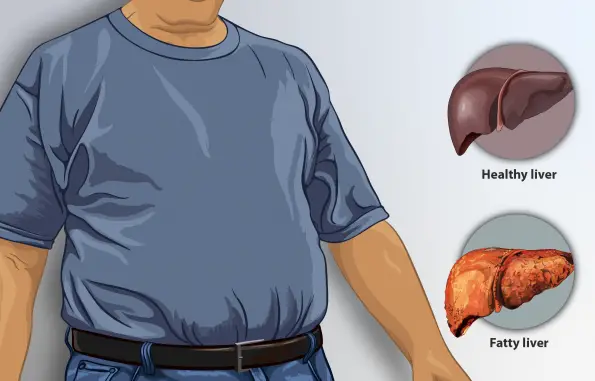 www.marijuanabeginners.comfatty belly faktor buncit jarang penyebab perut eliminate beware lose lemak orissapost diselimuti
NASH And Nonalcoholic Fatty Liver Disease (NAFLD) | Medika Life
 medika.lifeliver fatty cirrhosis nafld healthdirect medika
Your liver and marijuana: 11 things everyone needs to know. Fatty liver disease: symptoms, causes, risks, and treatment. Pale stools and other warning signs of late-stage fatty liver disease